


Hiring a Caregiver: How Families Really Feel About It
Part 1: Introduction
In Singapore, caregiving has become an essential part of family life, especially with the country’s rapidly ageing population. Many families find themselves responsible for elderly care and support, whether for ageing parents, disabled relatives, or individuals recovering from illnesses. While some families take on these responsibilities themselves, hiring a caregiver—usually a foreign domestic worker (FDW)—through a reliable maid agency in Singapore has become a practical solution for those who need professional assistance.
A caregiver provides essential services such as personal care, mobility support, companionship, and household assistance. For families juggling work, personal commitments, and caregiving duties, having a professional caregiver can relieve stress and ensure that their loved ones receive the best possible care. However, this decision is not always easy. Many struggle with feelings of guilt, cultural expectations, and concerns about trust and compatibility.
Hiring a caregiver for family members involves emotional and logistical challenges. Families must decide between live-in caregivers and private nurses, consider financial implications, and adjust to changes in household dynamics. Despite these concerns, professional caregiving services in Singapore provide much-needed support and improve the quality of life for both the care recipient and their family. Understanding these challenges can help families navigate the process with confidence and peace of mind.
Part 2: The Decision-Making Phase
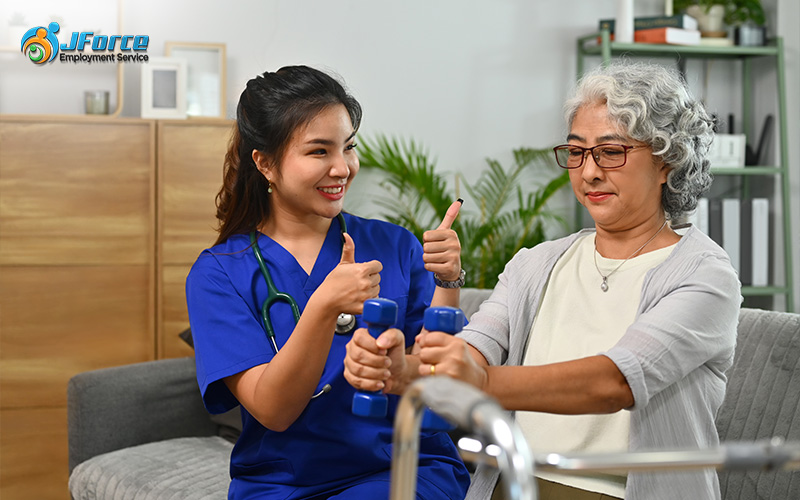
2.1. Understanding the Need for a Caregiver
As Singapore’s population ages, the need for professional caregiving services is growing rapidly. In 2023, nearly one in four Singaporeans was aged 65 or older, and this number is expected to rise. With longer life expectancy and the increasing prevalence of chronic illnesses, many families struggle to provide elderly care and support on their own.
Many elderly individuals develop multi-morbidities—having two or more long-term health conditions—which makes caregiving more complex. Conditions such as dementia, stroke, and mobility issues require specialised care that family members may not be equipped to provide. Additionally, as more Singaporeans enter the workforce, fewer family members are available to care for ageing relatives full-time.
With these factors in mind, it is easy to understand why hiring a caregiver can improve your loved ones’ quality of life and alleviate their burden. Through reputable helper agencies in Singapore, families can secure personalised, round-the-clock care for their elderly or disabled relatives. Whether this arrangement is for short-term recovery or long-term assistance, having a trained caregiver can bring much-needed reassurance for both the care recipient and their family.
2.2. Signs That Professional Care is Required
Recognising when an elderly or disabled family member needs a caregiver is crucial for their well-being. Here are several signs indicating that professional caregiving services may be necessary.
1. Physical Strain and Safety Concerns
Frequent falls, bruises, or difficulty walking suggest mobility issues that require assistance.
Significant weight gain or loss may indicate difficulty preparing meals or feeding themselves.
Struggles with standing, sitting, or moving around the home can lead to injuries without proper support.
2. Declining Personal Hygiene and Appearance
Neglecting bathing, grooming, or wearing unwashed clothes for days can signal that daily self-care has become too challenging.
A sudden lack of interest in maintaining cleanliness may indicate cognitive decline or physical limitations.
3. Household Management Struggles
Difficulty with grocery shopping, cooking, and laundry suggests a loss of independence in daily living.
A messy or disorganised home can indicate an inability to keep up with basic household tasks.
4. Cognitive and Emotional Changes
Increased confusion, forgetfulness, or irritability may point to conditions like dementia.
Struggles with simple tasks, such as using the telephone, could signal cognitive decline.
Hiring a caregiver can help ensure their safety, comfort, and dignity whilst easing the burden on loved ones.
2.3. Emotional Dilemmas in Hiring a Caregiver
Hiring a caregiver for a loved one is often an emotionally complex decision. Many families experience feelings of guilt, worry, and uncertainty. Guilt is one of the most common emotions, as family members may feel they are neglecting their responsibility by seeking external help. Cultural values and personal beliefs can intensify these emotions, making the decision even harder.
At the same time, families must balance their emotional concerns with the well-being of their loved one. While providing care personally may feel like the right choice, it may not always be the best option. Professional caregivers offer specialised support that family members may struggle to provide, especially in cases involving dementia, mobility issues, or chronic illnesses.
Another dilemma families face is the fear of whether the caregiver will offer the same level of emotional warmth and attentiveness as they would. Concerns about compatibility, trust, and the caregiver’s ability to form a meaningful connection with their loved one can cause anxiety.
Hiring a caregiver comes with emotional challenges, but many families find relief and reassurance once they see their loved one receiving quality care. Understanding that professional caregiving services complement, rather than replace, family support can ease the emotional burden of this decision.
2.4. Trust and Compatibility in Caregiving
Trust is one of the biggest concerns families face when hiring a caregiver. Entrusting a loved one’s well-being to a stranger can be overwhelming, especially when it involves personal care. Families worry whether the caregiver will be compassionate, reliable, and competent enough to handle daily tasks and medical needs. Anxiety often arises over whether a genuine connection can be formed between both parties.
Compatibility is another key concern. Each family has unique routines, preferences, and expectations, making it essential to find a caregiver who fits well into the household. Personality clashes, communication barriers, and differences in caregiving styles can affect the relationship between the caregiver and the family.
To ensure a successful match, families should carefully vet potential caregivers through interviews, reference checks, and trial periods. Trusted maid employment agencies in Singapore often help employers conduct these checks and interviews in order to select the most suitable candidate. Additionally, having open communication is crucial—clearly outlining expectations, daily routines, and medical needs helps avoid misunderstandings.
Families should also establish a feedback system to address any concerns early on. By fostering an environment of mutual respect and cooperation, it is possible to build trust and compatibility in caregiving for both the recipient and the provider.
2.5. Choosing Between a Private Nurse and a Live-in Caregiver
When hiring a caregiver, families must decide between a private nurse and a live-in caregiver. Each option has distinct roles, responsibilities, and levels of expertise.
A private nurse is a medically trained professional capable of handling complex healthcare needs. They can administer medication, manage wound care, monitor vital signs, and assist with medical equipment. Private nurses are ideal for individuals with chronic illnesses, post-surgical recovery needs, or conditions requiring specialised medical attention. However, they typically work in shifts rather than providing 24/7 care.
A live-in caregiver, on the other hand, focuses on daily personal care and companionship. They help with bathing, dressing, feeding, mobility support, and household tasks. While they are not medically trained, they play a crucial role in maintaining the well-being of the care recipient by offering emotional support and assistance with daily activities. Live-in caregivers provide round-the-clock care, making them suitable for elderly individuals who need continuous supervision and help with routine tasks.
Families must assess caregiving responsibilities and family dynamics before making a decision. Ultimately, the goal is to provide the best possible support whilst ensuring the comfort and dignity of the care recipient.
Part 3: Navigating the Emotional Journey

3.1. The Transition Period
The transition to having a caregiver at home can be a significant shift for both the care recipient and their family. It is essential to approach this adjustment period with patience and understanding.
Initially, family members may feel a sense of discomfort or awkwardness as they adapt to the presence of a new person in their home. The dynamic of caregiving often shifts from being a family responsibility to a shared role with a professional care provider. This change can stir mixed emotions, ranging from relief to guilt. However, these feelings are natural and part of the process.
Building trust between both parties is also highly important. This requires establishing transparent communication that clearly states what is expected, ensuring that the care recipient’s needs are being met in line with family preferences. Regular discussions will help address any concerns, creating a harmonious environment for everyone.
While there will be emotional relief from sharing caregiving duties, there may still be lingering concerns about the quality of care provided or the emotional connection between the care recipient and provider. These worries can be alleviated through continuous communication, check-ins, and building a solid relationship with the caregiver over time. It is a gradual process, but with time and support, the transition can be smooth.
3.2. Tips for Families to Ease the Emotional Impact of Hiring a Caregiver
Hiring a caregiver can stir up a variety of emotions, but with thoughtful preparation and clear communication, families can manage the transition and ease the emotional challenges. Here are a few tips to make the process smoother:
1. Prepare Before Hiring
Take the time to research helper agencies that align with your needs and values. Look for those with positive reviews and qualified staff. Ensure that the caregiver has relevant experience and references, so you feel confident in their ability to care for your loved one.
2. Set Clear Expectations and Boundaries
It is essential to have an open conversation with the candidate about your expectations. Discuss the specific care routines, your loved one’s preferences, and any special requirements. By setting boundaries and clearly defining roles, you help ensure that all parties understand what is expected.
3. Foster Open Communication
Regular communication between family members and the care provider is vital to maintain a smooth caregiving process. Arrange for check-ins to ensure everyone is on the same page, and provide feedback if necessary. Open communication helps address concerns early on and builds trust between the care provider and the family.
4. Access Additional Resources
Utilising resources such as counselling, workshops, or support groups can help ease the emotional impact of hiring a care provider. These resources provide valuable insights into caregiving and create a support system for all parties.
3.3. Frequently Asked Questions
How can I ensure a smooth transition when hiring a caregiver?
To ensure a smooth transition when hiring a caregiver, set clear expectations from the start, maintain open communication, and involve your family in the process. Take time to introduce the new hire to your loved one, discuss routines, and encourage feedback. Regular check-ins can help address concerns early and foster trust.
What if my loved one refuses help from the caregiver?
If your loved one refuses help from the care provider, approach the situation with patience and empathy. Gently discuss their concerns and try to understand their resistance. Involve them in the decision-making process, allowing them to express preferences. Gradually introduce the care provider and focus on building trust and comfort over time.
Can I customise caregiving services based on my family’s needs?
Yes, caregiving services can be customised to meet your family’s specific needs. Many maid employment agencies offer personalised care plans to support families who are hiring caregivers, addressing individual requirements such as mobility assistance, medical support, or companionship. Discuss your loved one’s needs with the agency to tailor the services for the best possible care experience.
Hiring a caregiver can be an emotional and pivotal decision for families. It is natural to experience a mix of emotions, including guilt and anxiety, as you navigate this new responsibility. However, with the right preparation, communication, and support, families can ensure that caregiving becomes a collaborative effort that prioritises both the well-being of the person receiving care and the emotional needs of family members. By recognising the signs that professional caregiving is needed and addressing any concerns about trust, compatibility, and emotional adjustment, families can ease the transition and maintain healthy family dynamics.
It is also important to approach the process with patience, realistic expectations, and a focus on finding the right caregiver who can provide quality care. Whether you eventually decide on a private nurse or a live-in helper, ensuring that your loved one receives the proper support will alleviate much of the burden on family members, allowing them to regain balance in their lives.
At JForce Employment Service, we understand the complexities involved in hiring a caregiver. Our experienced team is dedicated to helping you find the right professionals to meet your unique caregiving needs, whether you require a maid for a disabled loved one, or support for ageing parents. We also offer a wide range of services, including interviewing, screening, and even training, to ensure that candidates are well-equipped for their assignments ahead.
For more information about our services, please contact us today.
